
Make the right first call
Arrange scrap pickup after you understand the vehicle transfer and agree on payment or recycling terms.
A safe pickup begins with the vehicle’s actual position and condition. The collector needs enough information to choose equipment and avoid a failed trip.
Arrange scrap pickup after you understand the vehicle transfer and agree on payment or recycling terms.
Distance and loading time can affect what remains available for the vehicle itself.
Keys, steering, wheels, tire inflation, surface, clearance, and obstacles all influence collection.
The best outcome is not simply a fast pickup or a large headline number. It is a clear vehicle transfer with an understood payment, workable access, correct documents, and a buyer that can handle the actual condition.
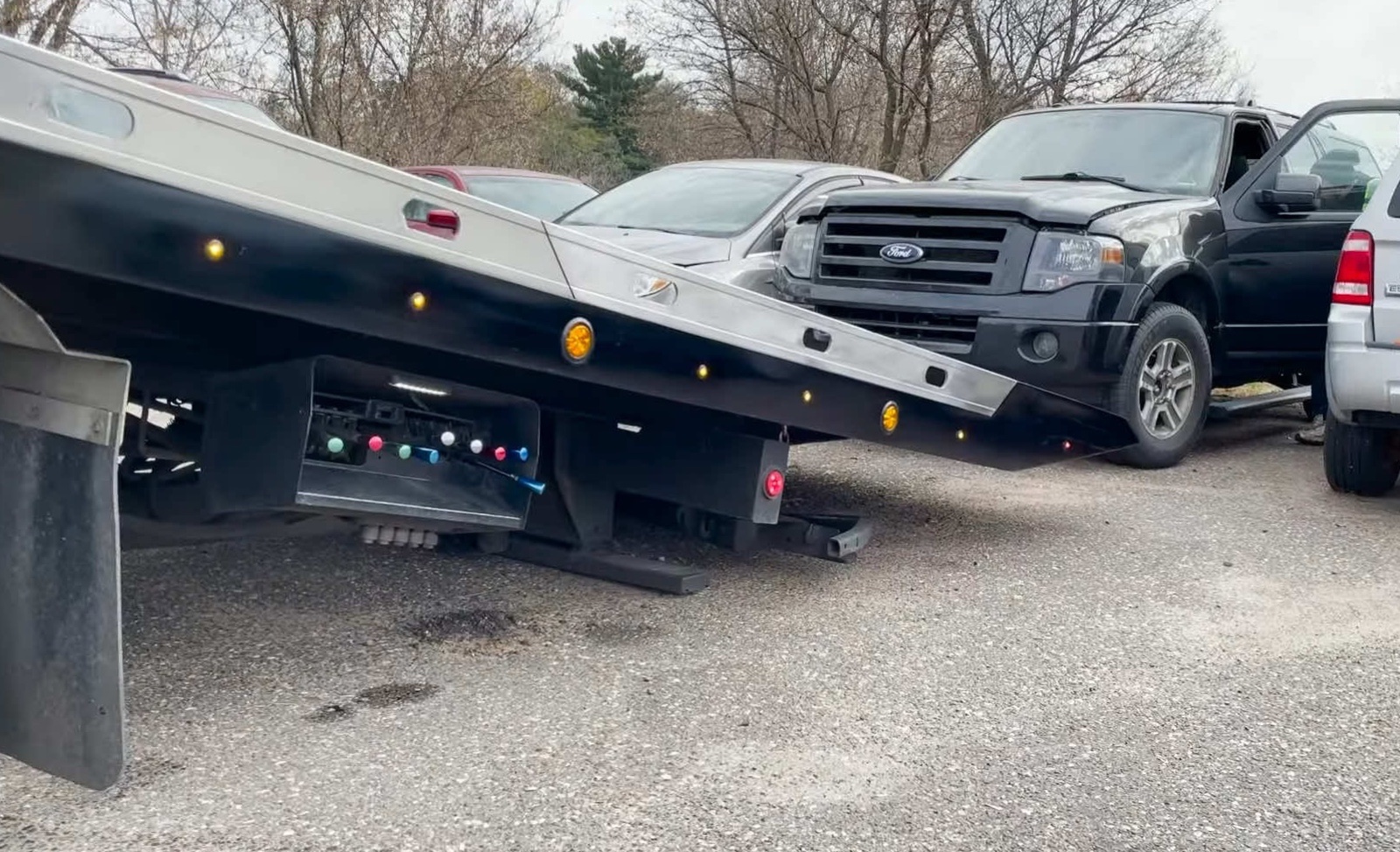
Photograph the full vehicle and the path from the road. Measure underground clearance, identify steep slopes, disclose snow or mud, and say whether another vehicle blocks access.
Do not allow unsafe winching, property damage, or rushed loading because access was not discussed. Special conditions should be resolved before the truck arrives.
Confirm the arrival window, truck type, space needed, contact person, cancellation process, and whether the vehicle must be moved or unlocked first.
You can want the vehicle gone quickly and still ask for the net offer, payment timing, collector identity, pickup requirements, and transfer record before releasing it.
Read the consumer safety guidesIt depends on the equipment. Send access photos and ask the collector what approach and loading space are required.
Local parking and traffic rules apply. Confirm that the vehicle can legally and safely be collected there.
Ask whether an authorized person can attend and what written authority, identification, keys, and documents are required.