
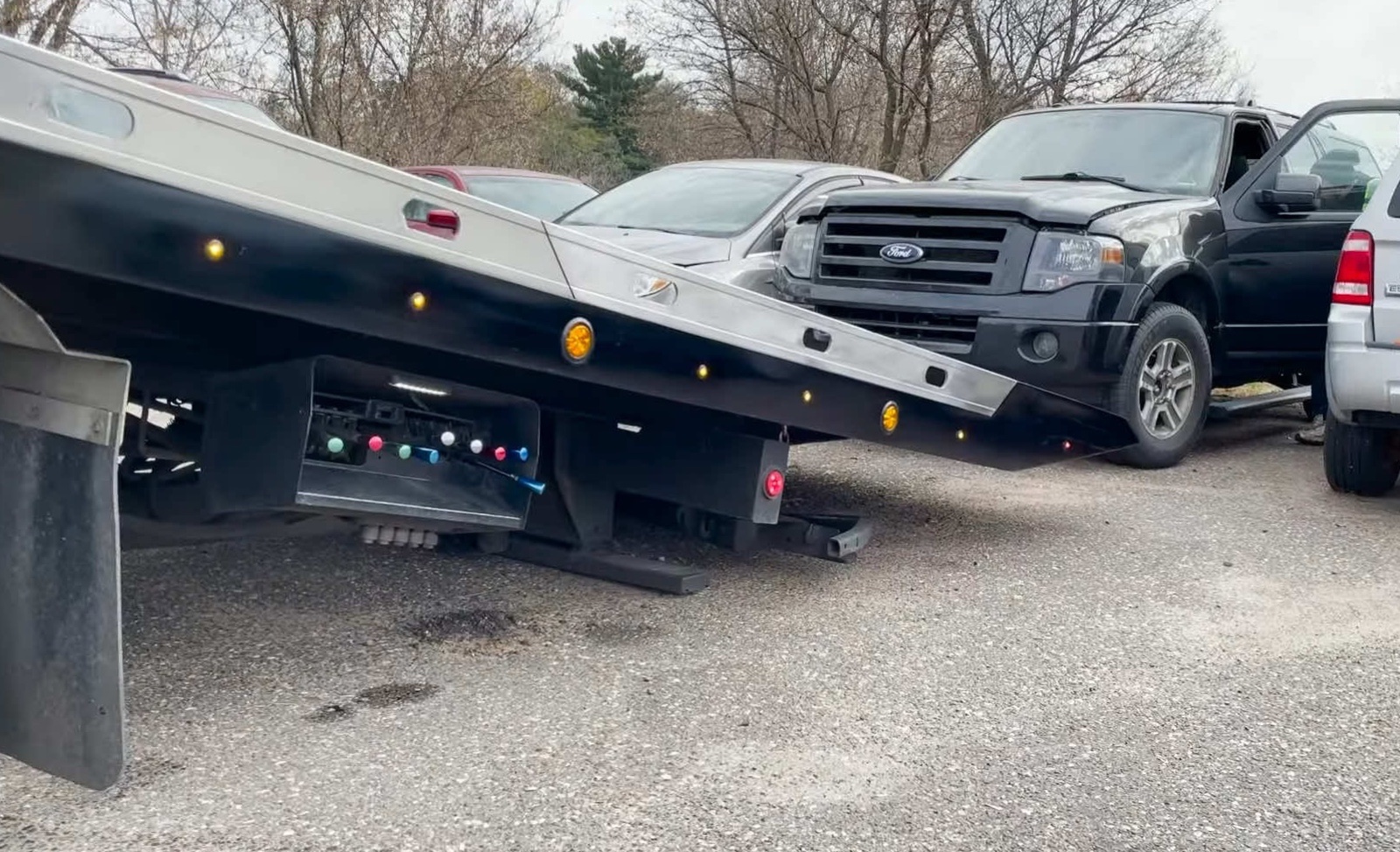
1. Describe the vehicle
Share condition, missing parts, keys, tires, location, and access.
Start with accurate vehicle details, compare the complete offer, confirm the paperwork, and arrange pickup with a buyer that serves your location.
Share condition, missing parts, keys, tires, location, and access.
Compare payment and pickup terms together, not as separate promises.
Remove personal items and confirm your province-specific documents and plates.
The best outcome is not simply a fast pickup or a large headline number. It is a clear vehicle transfer with an understood payment, workable access, correct documents, and a buyer that can handle the actual condition.
You do not need to diagnose every mechanical problem. Tell the buyer what you know, what warning lights appeared, whether the engine starts, and what major components are missing. Honest uncertainty is more useful than an optimistic guess.
A large headline number can become a poor result if a towing fee, loading charge, or distance deduction appears later. Ask for the amount you should actually receive and the specific conditions that could change it.
Before the vehicle leaves, follow the applicable registration rules, remove personal data and belongings, keep the agreed receipt, and record who collected the vehicle. Provincial requirements differ, so check the current motor-vehicle authority guidance for your province or territory.
You can want the vehicle gone quickly and still ask for the net offer, payment timing, collector identity, pickup requirements, and transfer record before releasing it.
Read the consumer safety guidesQuote timing and pickup availability depend on the buyer, location, weather, and vehicle access. Ask for a realistic pickup window.
Tell the buyer before booking. They may need room for a flatbed or winch, and some access problems can change the pickup plan.
Agree on the method and timing before handover. Do not release the vehicle based only on a future payment promise.