Make the right first call
Compare safe repair cost, usable life, resale potential, and the complete as-is offer before deciding.
A no-start vehicle may still be bought for parts or recycling. Buyers need to know whether the problem is known and whether the car can be loaded.
Compare safe repair cost, usable life, resale potential, and the complete as-is offer before deciding.
Condition matters alongside parts demand, completeness, model, material recovery, location, and documents.
Tell the collector whether it runs, rolls, steers, has keys and tires, and can be reached safely.
The best outcome is not simply a fast pickup or a large headline number. It is a clear vehicle transfer with an understood payment, workable access, correct documents, and a buyer that can handle the actual condition.
Explain the last time it ran, symptoms, attempts to start it, battery condition, keys, gear position, steering, wheels, and access.
A non-running engine is different from a locked drivetrain, seized wheels, or a vehicle that cannot be shifted.
Get an as-is quote before spending money or removing parts. Confirm the net payment, collection plan, and required transfer documents.
You can want the vehicle gone quickly and still ask for the net offer, payment timing, collector identity, pickup requirements, and transfer record before releasing it.
Read the consumer safety guidesPossibly. Acceptance depends on the exact vehicle, completeness, ownership, location, access, and buyer capability.
Get an as-is quote and realistic repair estimate first. Major repair spending rarely increases a scrap offer by the full amount.
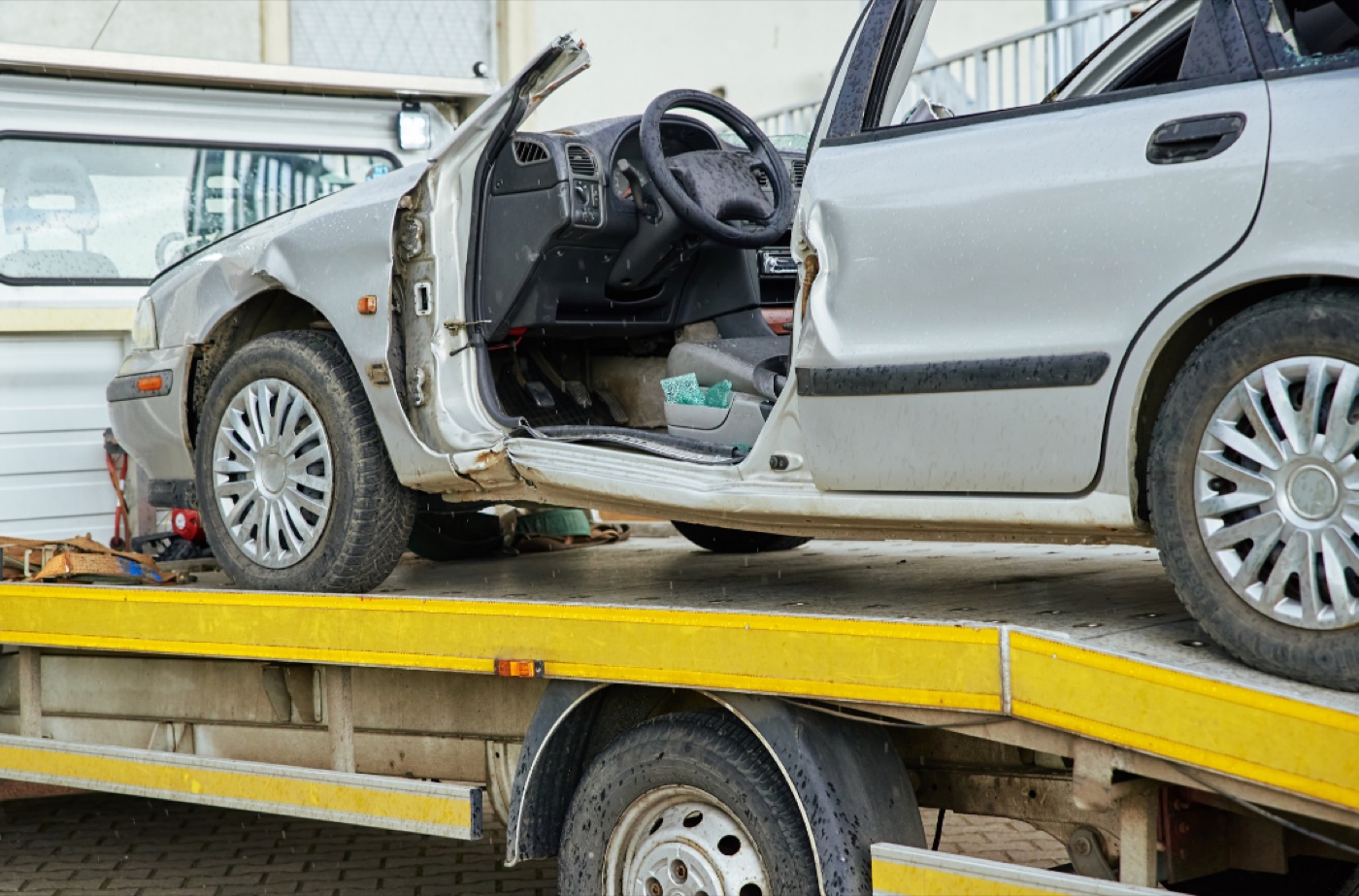
Show all four sides, the damaged area, wheels, interior, engine area, and the access path from the road.